What to Do After a Car Accident in New York: A Step-by-Step Checklist
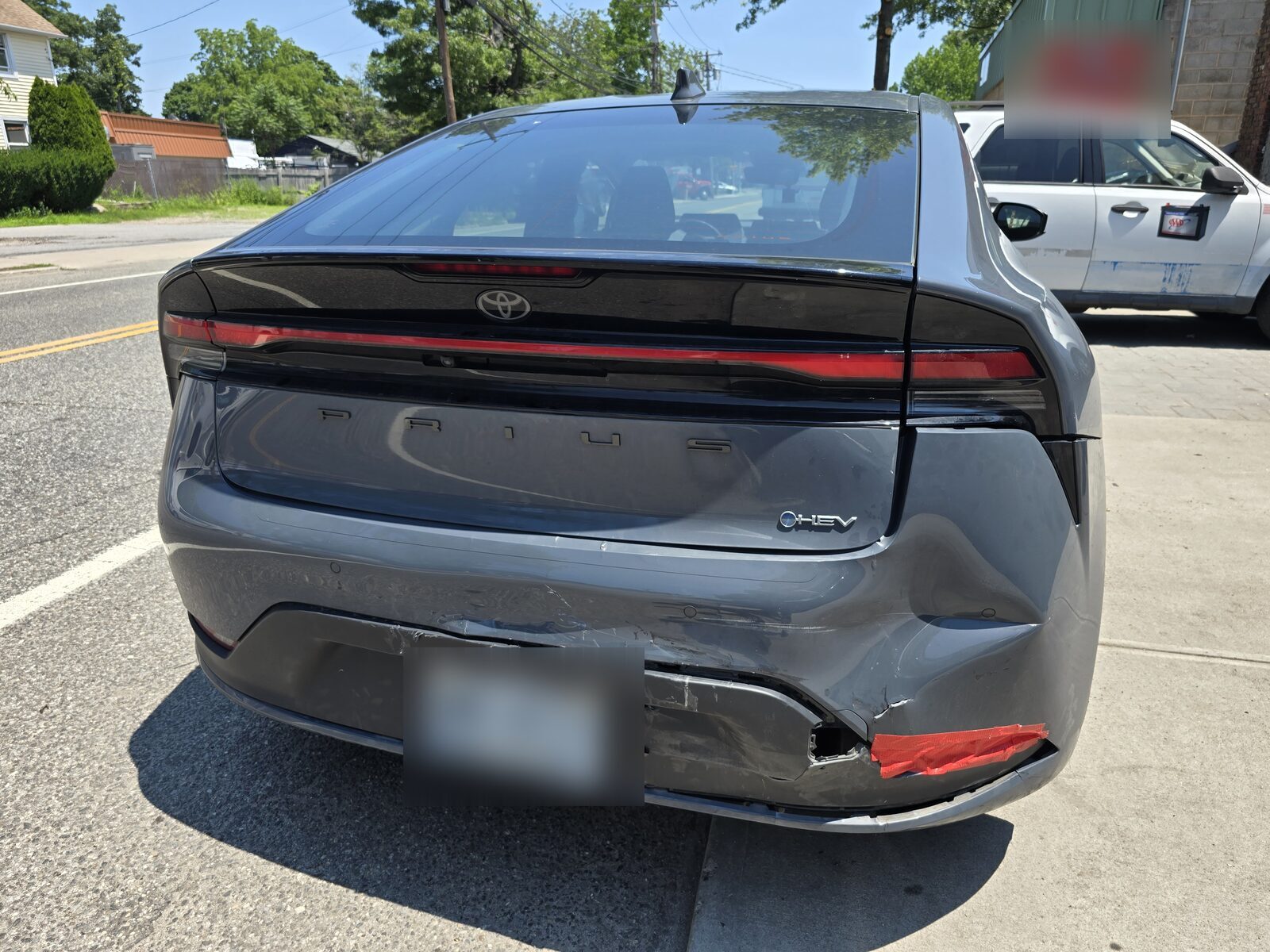
The minutes after a collision are disorienting — horns, adrenaline, a stranger asking for your insurance card. New York adds its own layer on top: rules about when police must be called, a DMV form with a 10-day clock, a 30-day no-fault deadline, and a legal right most drivers never hear about until they need it. This checklist walks through each step in order, from the shoulder of Route 110 to picking up your finished car.
After a crash in New York: stop, check for injuries, and call 911 if anyone is hurt. Exchange license, registration, and insurance details, photograph everything, and notify your insurer promptly. If damage to any one person's property tops $1,000, file DMV form MV-104 within 10 days. You — not your insurer — choose the repair shop.
What Should You Do at the Scene of a Car Accident?
At the scene: stop and pull out of traffic, check everyone and call 911 if anyone is hurt, exchange license, registration, and insurance details, photograph the vehicles and the road from every angle, stay put after hitting unattended property until the owner or police are notified, and choose where a disabled car gets towed.
New York requires every driver involved in a crash to stop — the DMV's driver's manual is explicit that the level of damage does not matter. Once stopped, work through the list below in order: safety first, paperwork second.
Stop and secure the scene
Pull as far out of traffic as you safely can, switch on your hazard lights, and shut off the engine. New York requires you to stop after any crash, no matter how minor the damage looks.
Check for injuries and call 911 if anyone is hurt
If any person is injured or killed, New York law requires you to notify the police immediately. Let the dispatcher decide what to send, and avoid moving anyone who is seriously hurt unless there is immediate danger.
Exchange information with the other driver
Trade names, addresses, driver license numbers, plate numbers, registration, and insurance carrier and policy details. Stick to the facts at the scene — the fault question gets sorted out later through the claims process.
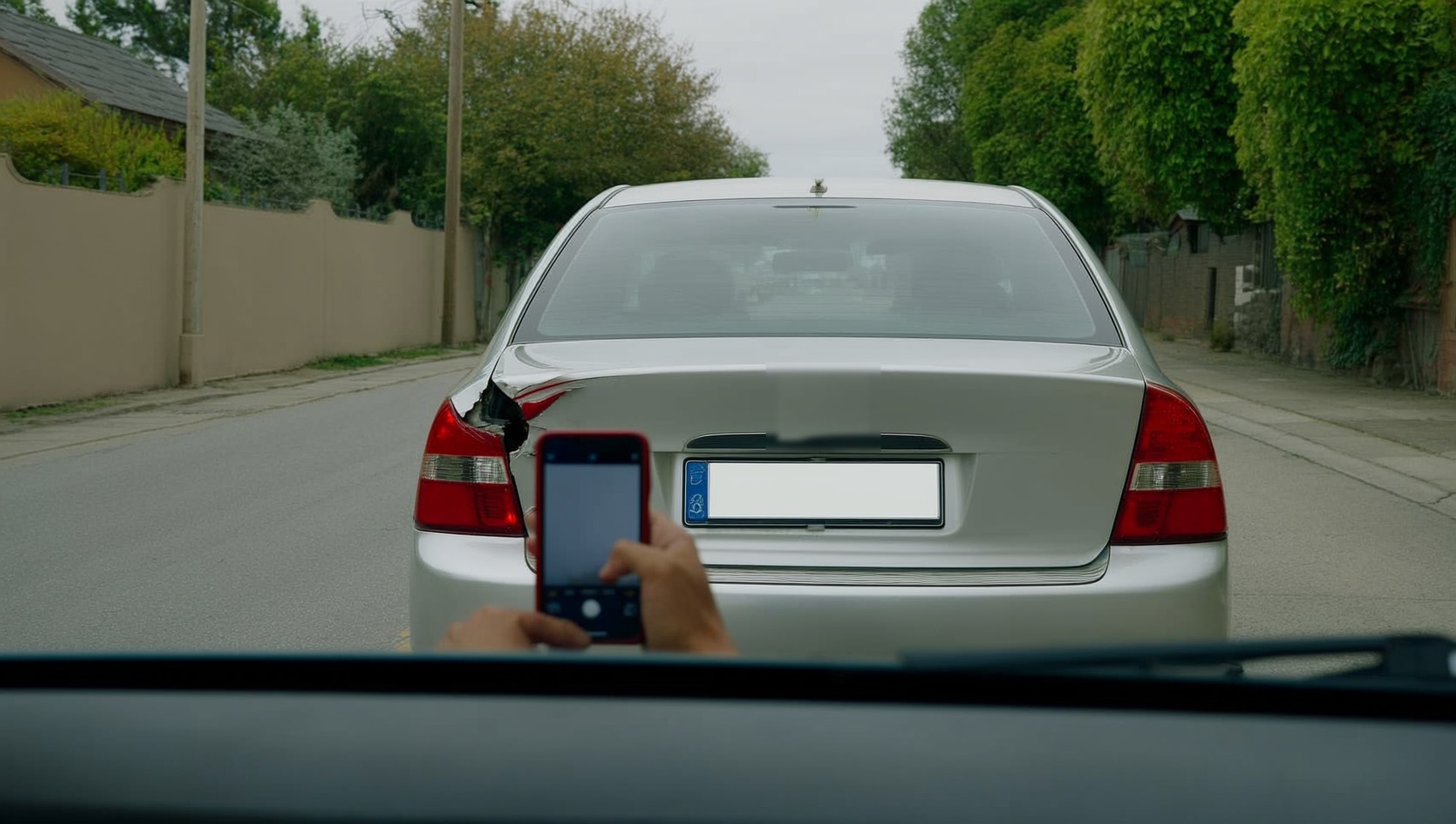
Document everything with your phone
Photograph all four corners of every vehicle, close-ups of the damage, the road, skid marks, and traffic signs, plus the other car's plate and insurance card. Note the time, the weather, and the names of any witnesses while memories are fresh.
If you hit an unattended vehicle or property, stay put
The DMV instructs drivers to try to find the owner or notify the police before leaving. Photograph the scene and both vehicles so you have your own record of what happened.
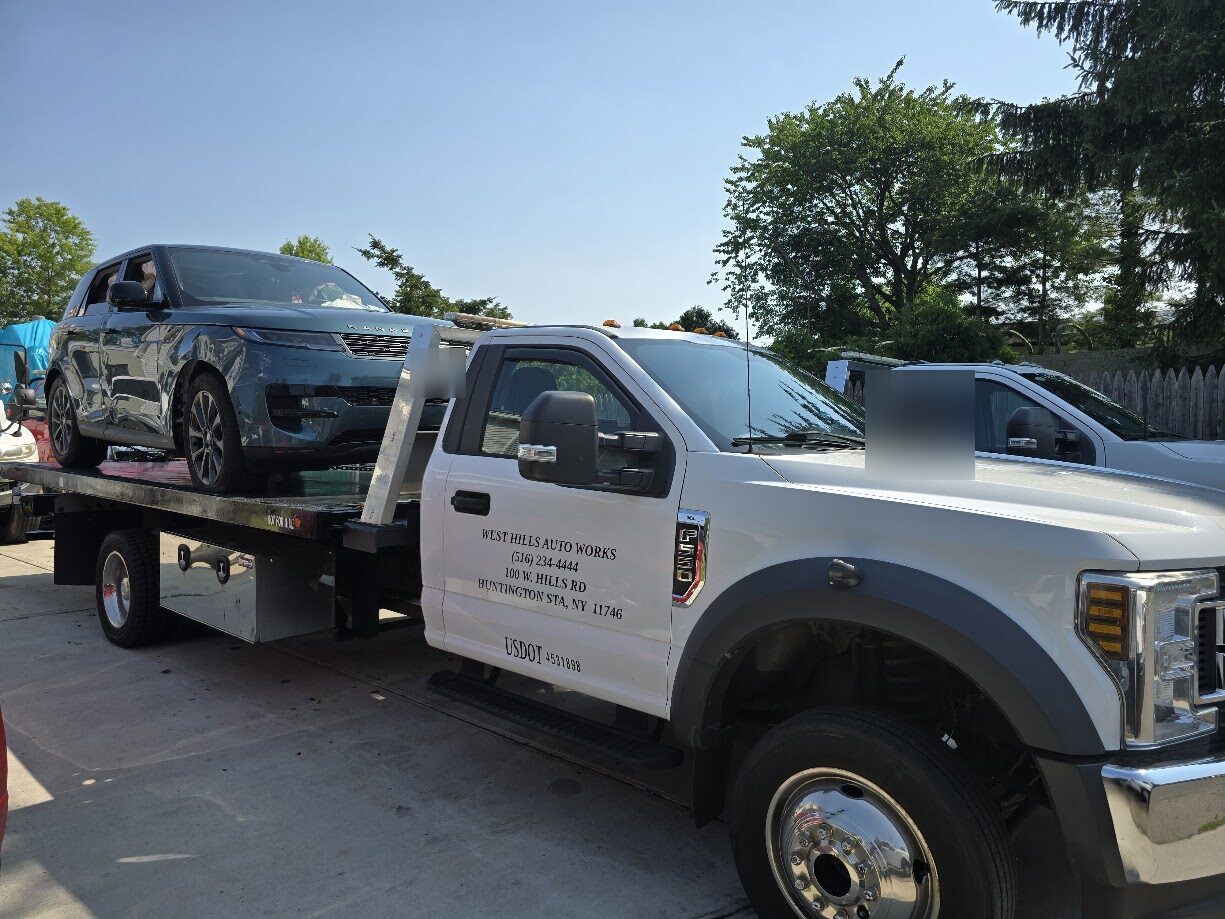
Arrange transport if the car is not drivable
If the vehicle cannot be driven safely, have it towed — and remember that you choose the destination. A crash-damaged car can go straight to the repair shop you select rather than sitting somewhere while you decide.
When Must You Call the Police, and When Do You File the MV-104?
Police must be notified immediately when a crash injures or kills anyone. Separately, New York requires every driver to file form MV-104 with the DMV within 10 days when a crash causes injury, death, or more than $1,000 in damage to any one person's property. Skipping the DMV report is a misdemeanor.
The threshold is easy to misread: it is more than $1,000 in damage to the property of any one person — including your own car — not $1,000 total across the whole crash. The DMV can suspend your driving privilege until an overdue report is on file, and the driver's manual describes failing to report as a criminal offense.
| Situation | Notify police? | File MV-104 with DMV? | Deadline |
|---|---|---|---|
| Anyone injured or killed | Yes — immediately | Yes | Within 10 days |
| Damage over $1,000 to any one person's property, no injuries | Not mandated by DMV guidance, though a report can help your claim | Yes | Within 10 days |
| Minor scrape, damage clearly under $1,000, no injuries | No | No | Still stop and exchange information |
| Unattended vehicle or property damaged, owner absent | Yes — if the owner cannot be located | Yes, if damage tops $1,000 | Within 10 days |
How Does New York No-Fault Insurance Work After an Accident?
New York no-fault coverage pays your medical bills and lost earnings after a crash regardless of who caused it — but written notice of the claim must reach the insurer within 30 calendar days. No-fault does not pay to fix your car; vehicle damage runs through collision coverage or the at-fault driver's liability coverage.
Notify your own insurer about the crash as soon as practical, and get the injury side moving in writing. The New York Department of Financial Services is specific about the paperwork: written notice of a no-fault claim must be filed within 30 calendar days of the accident, and the insurer then has five business days to send you an application for benefits.
Vehicle damage follows a different track. You claim it either under your own collision coverage or against the at-fault driver's liability coverage. Our insurance claims page walks through how the two tracks run in parallel — and what the shop can handle for you versus what only you can sign.
Can Your Insurance Company Make You Use Their Repair Shop?
No. New York Insurance Law Section 2610 bars insurers handling collision or comprehensive claims from requiring repairs at any particular shop — and they may not even recommend one unless you expressly ask. The repair decision belongs to the vehicle owner, and insurer estimates must carry a printed notice of that right.
The statute's language is blunt: no insurer providing collision or comprehensive coverage "shall require that repairs be made to such vehicle in a particular place or shop." Insurers may operate networks of preferred shops, and you are welcome to use one — but the choice is yours, and the law requires that it stays yours.
In practice, this means that when an adjuster suggests it would be "faster" or "smoother" to use a network facility, you can simply name your own shop. Drivers around Huntington, Huntington Station, Melville, and Dix Hills bring vehicles to independent shops for collision repair precisely because the law puts that choice in their hands.
Upload photos of the damage and our team will prepare a written estimate you can take to your insurer.
Request an EstimateWhat Happens When Your Car Gets to the Body Shop?
A typical collision repair starts with intake and a written estimate, moves to teardown — where hidden damage is documented for a supplement — then structural work, refinishing, and reassembly. In New York, your insurer has six business days to inspect the vehicle if it wants to see the damage before repairs begin.
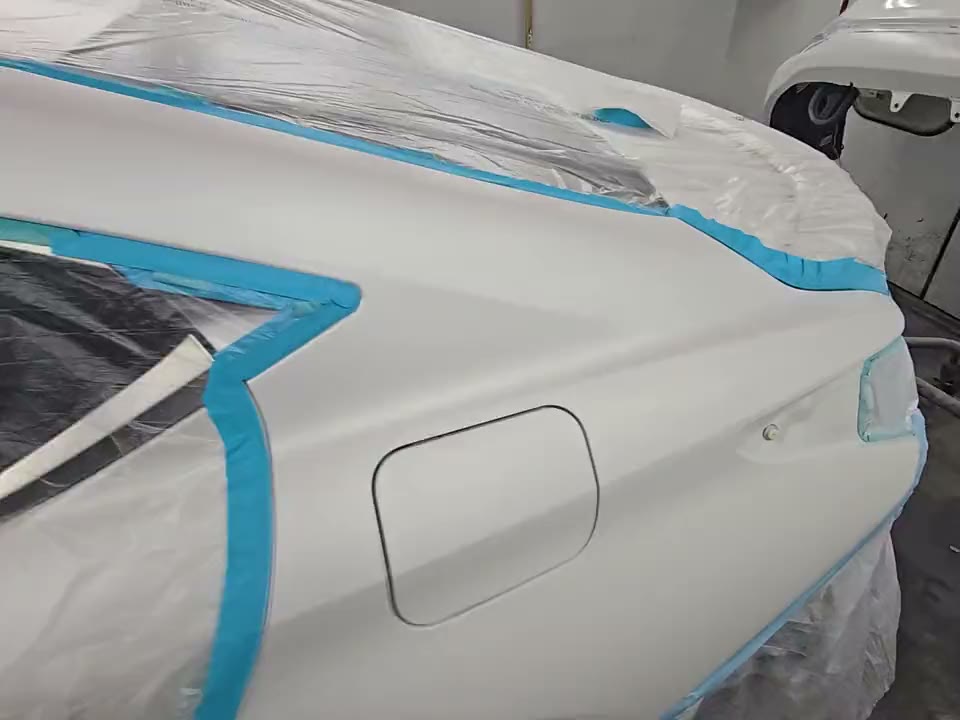
Intake and the estimate come first: the shop photographs the vehicle, maps the visible damage, and produces a written estimate. Under New York's Regulation 64, if your insurer wants to inspect the car before repairs start, it has six business days from notice of the claim to do so — repairs are not stalled indefinitely while an adjuster finds time.
Teardown is where estimates get honest. Removing a bumper cover or a door skin routinely reveals damage no one could see in the parking lot, and those findings go to the insurer as a supplement. New York's rules anticipate this: a reinspection for hidden damage discovered once repairs begin must generally happen within two business days of notice.
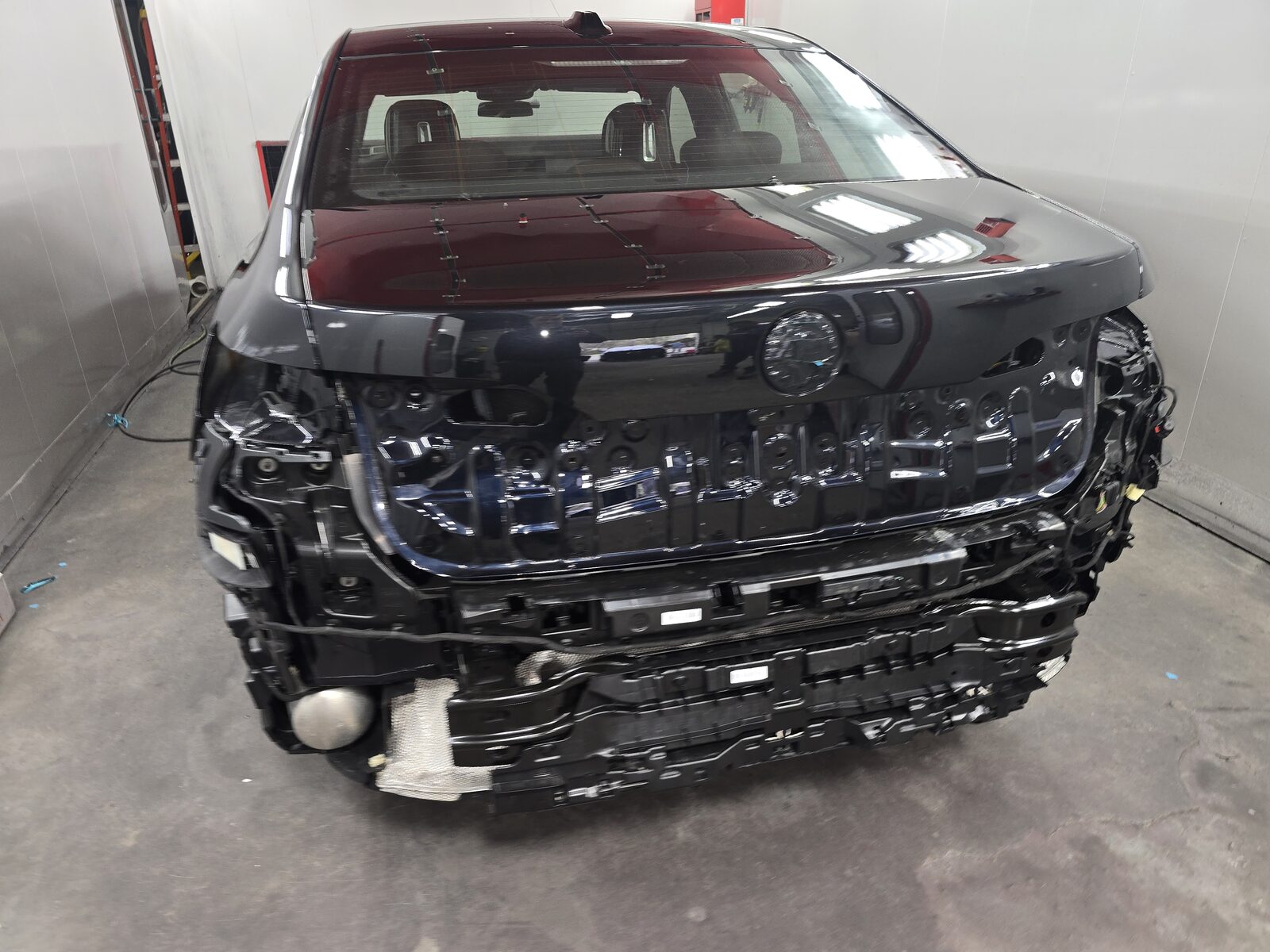
From there the work follows a fixed sequence: structural repair, panel work, refinishing and color matching, reassembly, and a final quality check. Once you and the insurer agree on a settlement figure, New York requires payment within five business days. For a closer look at how repair pricing is built, see our auto body repair cost guide.
No checklist makes a crash pleasant, but knowing the deadlines — 10 days for the DMV report, 30 days for the no-fault notice — and knowing the repair shop decision is legally yours takes most of the panic out of the process. If the accident happened around Huntington, Huntington Station, South Huntington, Melville, or Dix Hills, our team can prepare a written estimate and help you navigate the insurance claim from the first call to final delivery.
Frequently asked questions
- Do I still need to file an MV-104 if the police responded to the crash?
- Yes. The police report and the motorist report are separate obligations. The DMV states that notifying police after an injury crash is in addition to filing your own crash report. If the crash caused injury, death, or over $1,000 in damage to any one person's property, file your MV-104 within 10 days.
- What if I hit a parked car and the owner isn't around?
- Stop. The New York driver's manual instructs you to try to find the owner or notify the police before leaving. Photograph both vehicles and the scene so you have your own record of what happened — and the same 10-day MV-104 rule applies if the damage tops $1,000.
- Does my insurer have to pay for repairs at the shop I choose?
- The insurer negotiates the repair cost with whichever shop you pick. New York's claim rules require the insurer to inspect the vehicle and make a good-faith offer within six business days, and to pay within five business days of an agreed settlement. Gaps between the insurer's estimate and the shop's are typically resolved through negotiation and supplements.
- Can I get an estimate without driving to the shop?
- Yes. Our website has a photo-upload estimate form: send clear photos of the damage from several angles and our team prepares a written estimate. For crash damage, an in-person inspection usually follows before final numbers, since hidden damage behind panels cannot be judged from photos alone.
- What information will the insurance adjuster ask for?
- Expect to provide the date, time, and location of the crash, the other driver's name, insurer, and policy number, a description of what happened, your photos, and any police report number. Having a written repair estimate ready when you call speeds the conversation considerably.
Sources
Ready to get your vehicle looked at?
Call us or send an estimate request and we'll follow up with next steps.