
How Much Does Auto Body Repair Cost? Honest Industry Ranges Explained
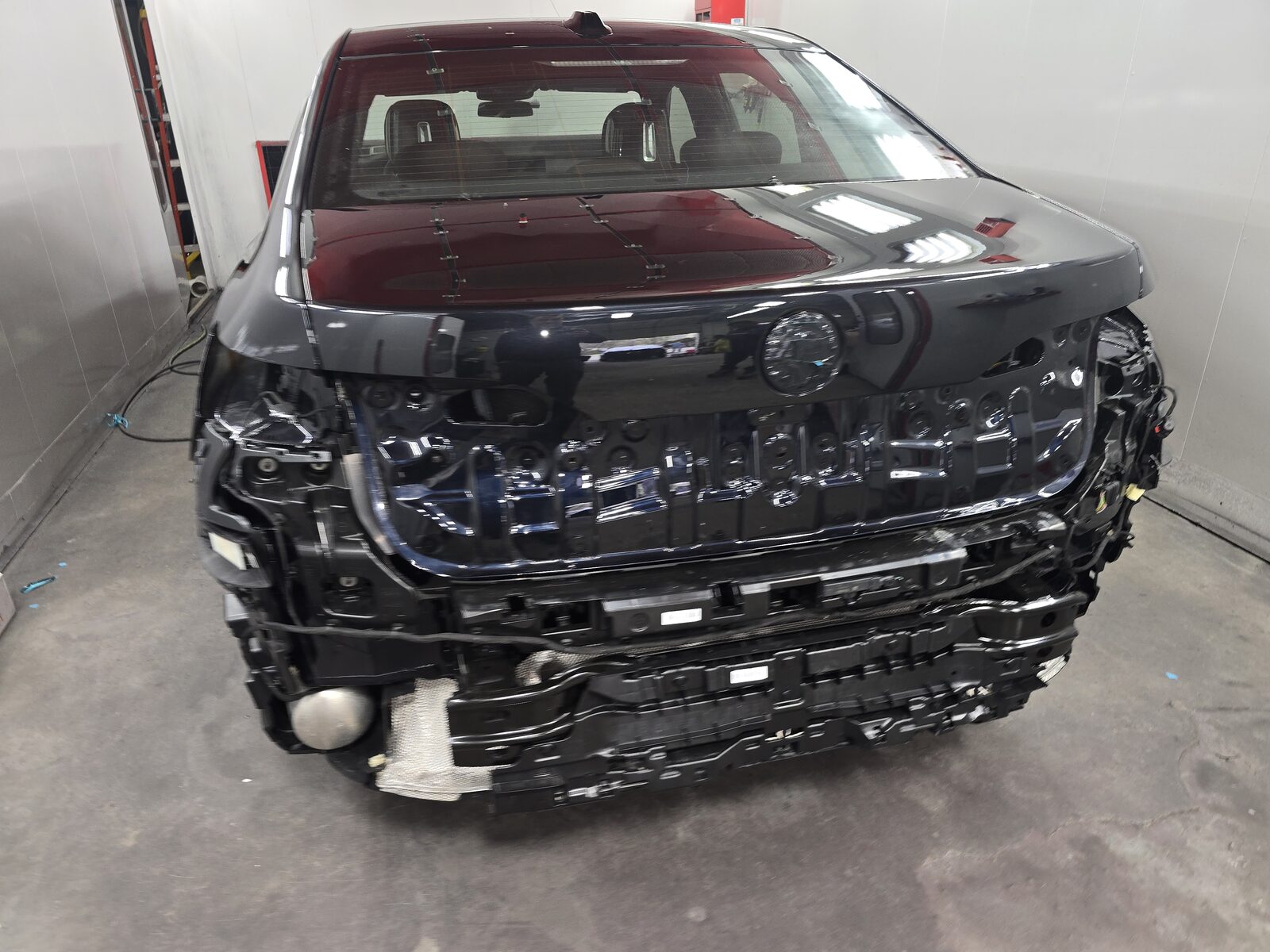
If you have ever collected two body repair quotes and wondered why they were hundreds of dollars apart, you are not alone. Auto body pricing looks opaque from the outside, but it follows a logic: parts, paint, labor, and the damage you cannot see yet. This guide walks through honest industry ranges for common repairs, what a written estimate actually contains, and how insurance changes the math for drivers here in Suffolk County and across New York.
Auto body repair in the U.S. typically runs from around $50 for a small door ding to $2,500 or more for deep, multi-layer damage, according to 2025 industry estimate guides. The final number depends on parts, paint work, hidden damage, and local labor rates, so a written estimate on your specific vehicle is the only reliable figure.
Why do auto body repair estimates vary so much?
Body repair estimates vary because four inputs shift from job to job: the price and availability of parts, how much paint blending the finish requires, hidden damage that only appears after teardown, and hourly labor rates, which differ by region and shop. Two visually similar dents can produce very different repair bills.
Parts are the first variable. A plastic bumper cover for an economy sedan costs far less than one for a late-model SUV packed with parking sensors and radar behind the fascia. Whether the shop uses new original-equipment parts, aftermarket parts, or recycled parts also moves the total, and insurers and owners sometimes disagree about which is appropriate.
Paint is the second variable, and it is bigger than most people expect. Modern finishes are multi-stage — base coat, color, clear coat — and a repaired panel usually cannot be painted in isolation. To make the color read as seamless, the paint is blended into neighboring panels, which adds material and booth time. Metallic and pearl colors take more skill to match than solid colors. That is why refinishing and color matching is treated as its own craft inside a body shop.
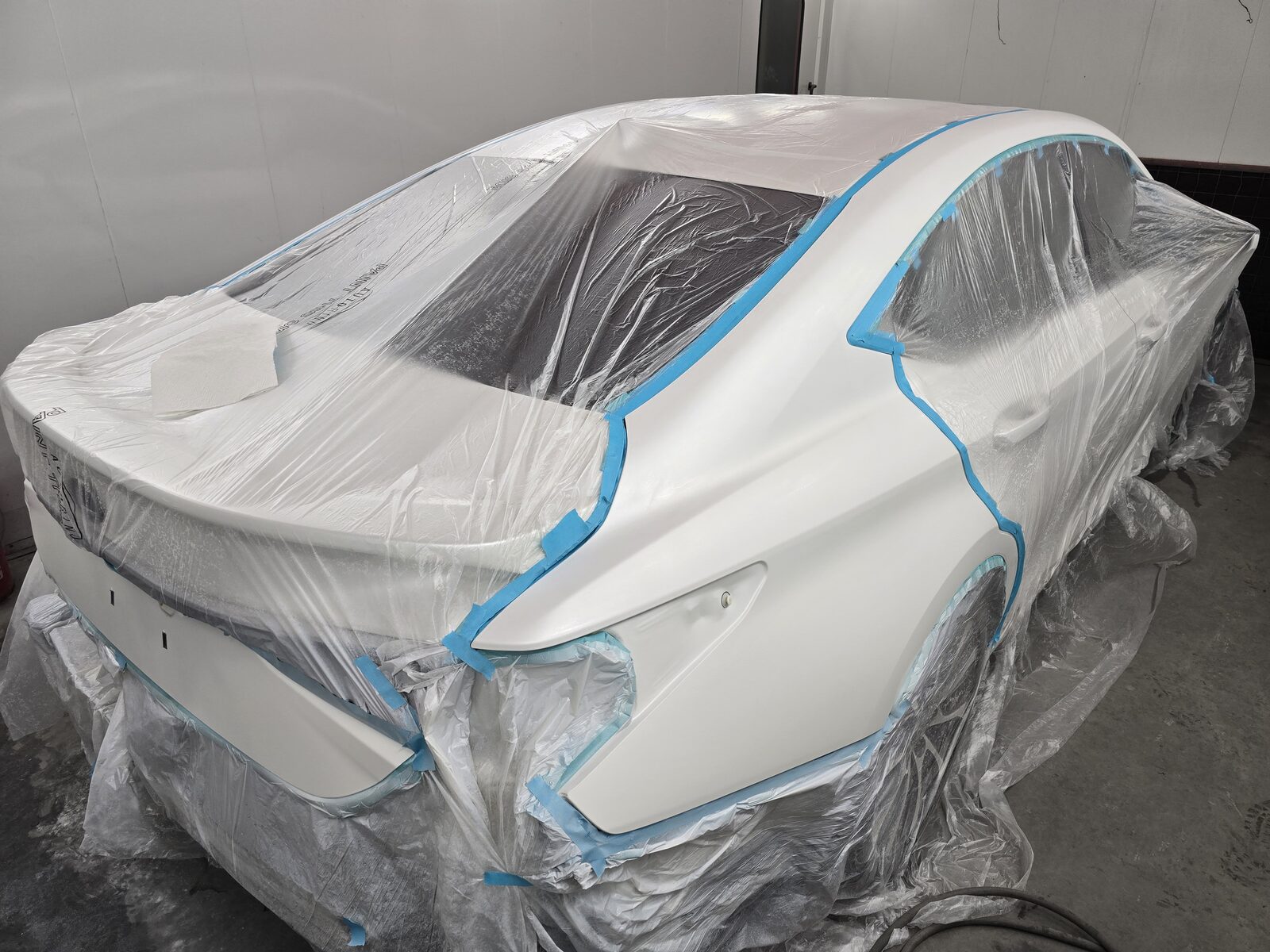
The last two variables are hidden damage and labor. A bumper hit can crush absorbers, brackets, and sensors that are invisible until the outer cover comes off. And because body work is priced in labor hours, the same job costs more in high-rate metro markets than in lower-cost regions. All four factors together explain why a phone-quote guess and a final invoice can be far apart.
What do common auto body repairs cost?
Industry guides put bumper repair at roughly $100 to $800 and painted bumper replacement at $500 to $2,000 or more. Small door dings often run $50 to $125, deep scratches $800 to $2,500 or more, and windshield replacement averages $393 — about $766 when camera recalibration is required.
The table below collects published industry ranges for the repairs people ask about most. These are national reference points from third-party cost guides, not quotes from any particular shop — your vehicle, color, and damage will place you somewhere inside (or occasionally outside) each range.
| Repair | Typical industry range | What moves the number | Source |
|---|---|---|---|
| Bumper repair (refinish/repair existing bumper) | $100 – $800 | Severity of scuffs or cracks; paint work needed | Mechanic Base |
| Bumper replacement, painted | $500 – $2,000+ | Part cost, sensors, paint and labor | Mechanic Base |
| Small door ding | $50 – $125 per dent; up to about $500 for severe dents | Size, depth, and whether paint is damaged | CoPilot |
| Deep scratch (through primer or to metal) | $800 – $2,500+ | Sanding, priming, respray, and blending | CarXplorer |
| Door or fender scratch respray | $500 – $1,500+ | Panel size and color-match complexity | CarXplorer |
| Windshield replacement | $393 average; about $766 with ADAS recalibration | Glass type and camera calibration | Glass.com |
What does a written estimate include?
A proper written estimate itemizes every operation: parts with type and price, labor operations with hours, paint and materials, and any sublet work like glass or alignment. It documents the visible damage line by line, so you can compare it against another estimate or an insurer's appraisal item by item.
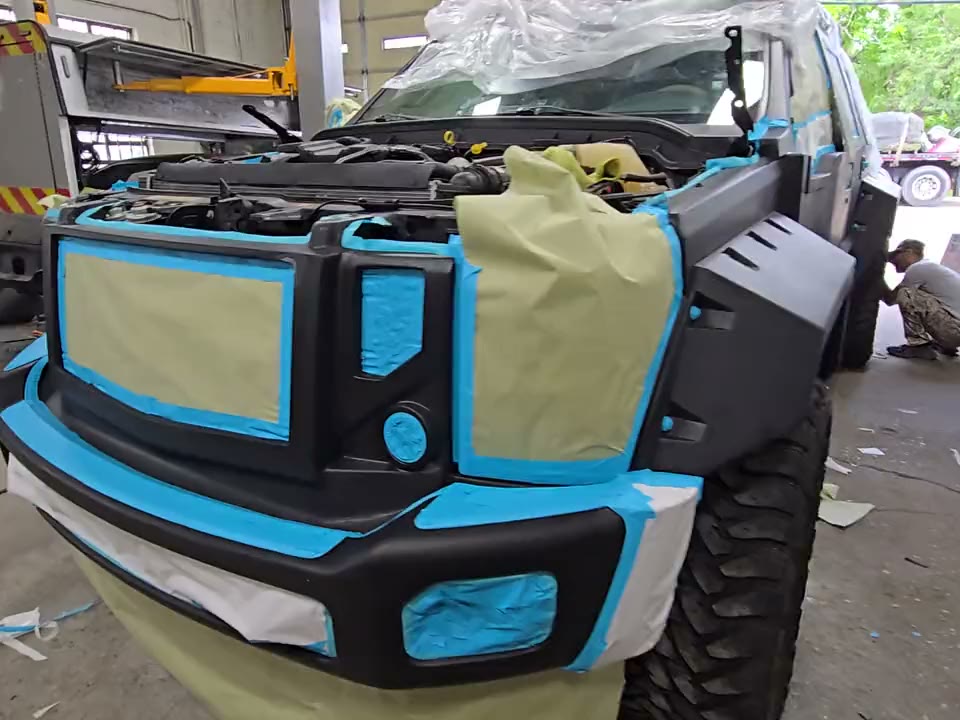
A one-line quote scribbled on a card is not an estimate. A real one breaks the job down so nothing is hiding in a lump sum:
- Parts — each component listed with whether it is new, aftermarket, or recycled, and its price
- Labor — each repair operation with the hours assigned to it
- Paint and materials — refinish time plus the actual paint and supplies
- Sublet items — work sent out, such as glass, calibration, or alignment
- Totals and assumptions — what the estimate covers and what it excludes until teardown
Reading an itemized estimate also protects you when insurance is involved, because you can see exactly where your insurer's appraisal and the shop's assessment differ. Our team prepares written estimates and appraisals in this itemized format for every job.
What is a supplement, and why can the first estimate change?
A supplement is a documented addition to the original estimate for damage discovered after teardown begins — crushed brackets, bent reinforcements, damaged sensors. First estimates are based on visible damage, so supplements are a normal part of collision work, and insurers have standard processes for reviewing and approving them.
This is the single most misunderstood part of body repair pricing. An estimator can only price what can be seen without disassembly. Once the bumper cover or door skin comes off, the full picture appears, and any additional damage is photographed, documented, and submitted as a supplement. On insurance claims, the shop and the insurer resolve supplements between themselves in most cases; on customer-pay jobs, you approve them before the extra work happens. If you were recently in a crash, our guide on what to do after a car accident in New York covers the claim timeline from the very first day.
Upload a few photos of your damage and our team will put together a written estimate for your vehicle.
Request an EstimateWhen does insurance pay, and when do you pay out of pocket?
Insurance pays when the damage is covered — through the at-fault driver's liability coverage or your own collision or comprehensive coverage — minus your deductible. Paying out of pocket can make sense when the repair cost is close to your deductible. Simple math on the written estimate settles it.
Start with the deductible math. Say an estimate lands at $2,000 — inside the published industry range for a painted bumper replacement — and your collision deductible is $500: your insurer pays $1,500 and you pay $500. But if the estimate were $600 against that same $500 deductible, a claim would only save you $100, and many drivers choose to handle a job that small themselves. If another driver was at fault, their liability coverage may pay with no deductible on your side.
New York law also protects your choice of shop. Under Insurance Law § 2610, an insurer providing collision or comprehensive coverage cannot require that repairs be made in a particular place or shop — and cannot even recommend one after a claim arises unless you ask. Steering is a real pattern, and you are within your rights to decline it.
New York's claim-handling rules (Regulation 64) add timing protections: insurers must have procedures to begin investigating a claim within 15 business days of notice, and if an insurer wants to inspect your vehicle before repairs, it generally has six business days after notice of claim to do so. One more distinction worth knowing: New York's no-fault coverage pays injury-related economic losses — it does not fix your car. Vehicle damage runs through collision coverage or the at-fault driver's liability coverage. Our insurance help page walks through how our team assists with claims and supplements.
How do you get an accurate number for your car?
Skip the national averages and get a written estimate on your actual vehicle. Photograph the damage from several angles, share your vehicle details, and have a shop put the repair in writing. Then compare the estimate against your deductible to decide whether a claim or out-of-pocket repair makes sense.
Photograph the damage
Take clear photos in daylight from several angles — straight on, from each side, and one wider shot showing the whole panel. Include close-ups of any cracks, creases, or exposed metal.
Gather your vehicle details
Year, make, model, and trim at minimum; the VIN is even better because it pins down exactly which parts and sensors your vehicle carries.
Request a written, itemized estimate
Photos are enough for a solid preliminary number — our website has a photo-upload estimate form — and an in-person inspection then confirms or refines it before any work begins.
Run the deductible math
Compare the estimate to your deductible and to the other driver's liability coverage if you were not at fault. That comparison tells you whether to file a claim or pay directly.
Industry ranges are useful for setting expectations, but they are the beginning of the conversation, not the end of it. Whether it is a scuffed bumper or full collision repair, the accurate number for your car comes from documented damage, an itemized written estimate, and honest communication when teardown reveals more. That is the process any good shop should offer you — and the one our team follows on every vehicle that comes through the door in Huntington Station.
Frequently asked questions
- Is it worth repairing a bumper on an older car?
- It depends on the numbers and how you use the car. Compare the written estimate against the vehicle's market value and your plans for it — cosmetic damage on a reliable older car can often wait, while damage that affects lights, sensors, or the bumper's mounting points is a safety question, not a cosmetic one.
- Does New York no-fault insurance pay to fix my car?
- No. New York's basic no-fault (Personal Injury Protection) pays up to $50,000 per person for injury-related economic losses such as medical costs and lost earnings. It does not cover vehicle damage. Repairs to your car are paid through your own collision or comprehensive coverage, or the at-fault driver's liability coverage.
- How long does auto body repair usually take?
- It depends on parts availability, paint work, and whether an insurance claim is involved. A minor bumper refinish may take a few days, while collision repairs that need ordered parts, supplement approvals, or structural work can take considerably longer. A shop should give you a projected timeline with the written estimate and update it if teardown changes the scope.
- Are online repair cost calculators accurate?
- They are rough directional tools at best. Calculators lean on national averages and cannot see paint depth, sensor damage, or anything behind the panel. Photo-based estimates from an actual shop are meaningfully better, and an in-person inspection is better still. Treat online numbers as a sanity check, not a quote.
- Will filing a claim raise my insurance premium?
- It depends on your insurer, your policy, who was at fault, and your claim history — there is no universal answer. Not-at-fault claims are treated differently from at-fault ones by many carriers. Before filing for a small repair, compare the estimate against your deductible and ask your insurer or agent how a claim would affect your specific policy.
Sources
- NY DMV — File a Motorist Crash (Accident) Report
- NY DMV — Form MV-104, Report of Motor Vehicle Crash (instructions: 10-day deadline, $1,000 threshold)
- New York State Senate — Insurance Law § 2610 (insurer cannot require a particular repair shop)
- NY Department of Financial Services — Minimum Auto Insurance Requirements (no-fault/PIP basics)
- Cornell LII — 11 NYCRR 216.7, Regulation 64 (motor vehicle physical damage claim handling)
- Mechanic Base — Bumper Repair and Replacement Cost
- CoPilot — Door Ding Repair Cost
- CarXplorer — Car Scratch Repair Cost Guide
- Glass.com — How Much Does Windshield Replacement Cost?
- Cornell LII — 11 NYCRR 216.5, Regulation 64 (standards for prompt investigation of claims)
Ready to get your vehicle looked at?
Call us or send an estimate request and we'll follow up with next steps.