
Car Scratch Repair: What You Can Fix at Home and When You Need a Shop
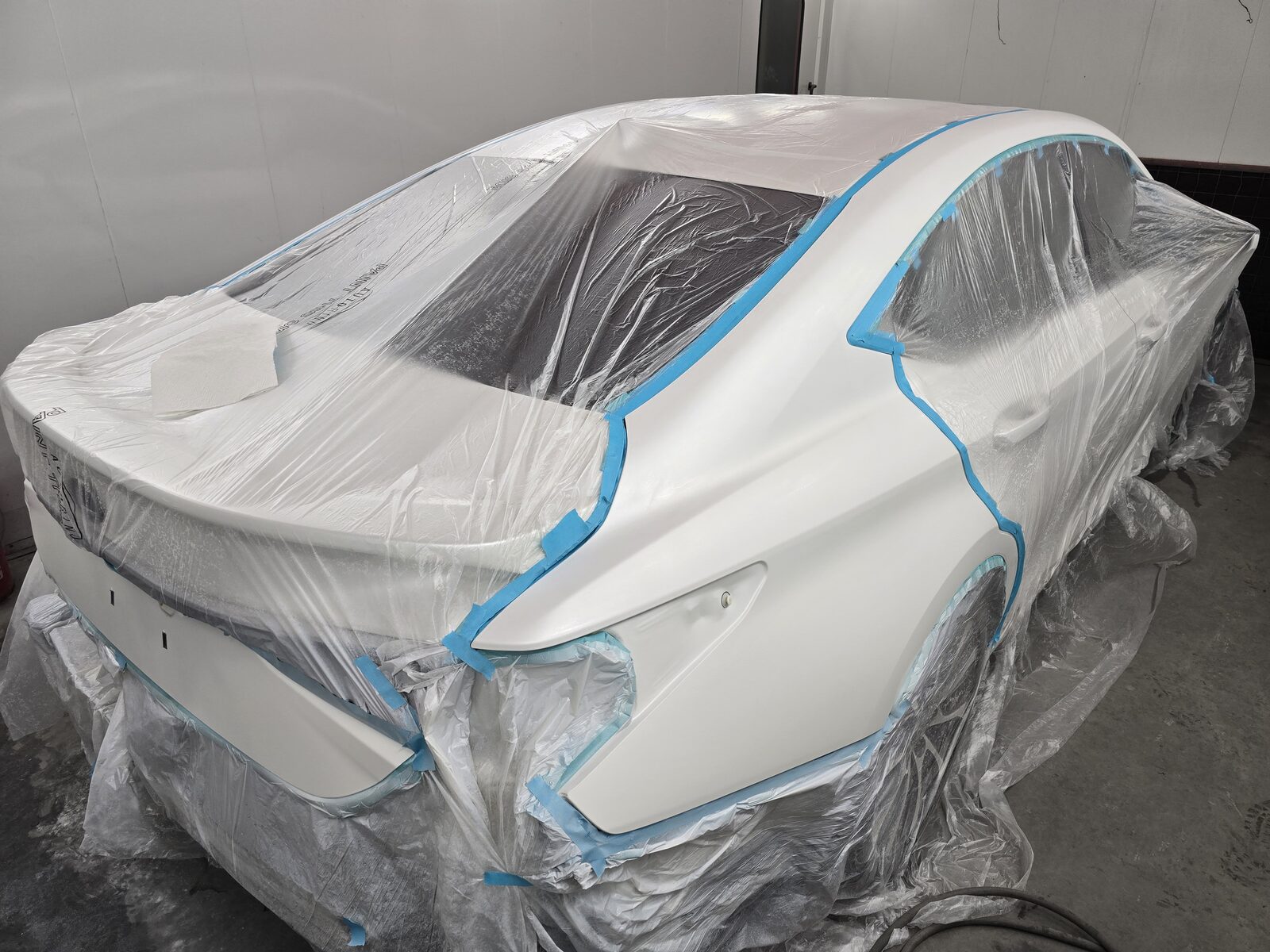
A shopping cart in a parking lot, a hedge on a narrow driveway, a flying stone on Route 110 — scratches find every car eventually. Some look terrible and polish out in twenty minutes at home. Others look minor and quietly grow into rust. The difference is almost entirely about depth, and you can judge depth yourself before spending anything on kits or shop visits.
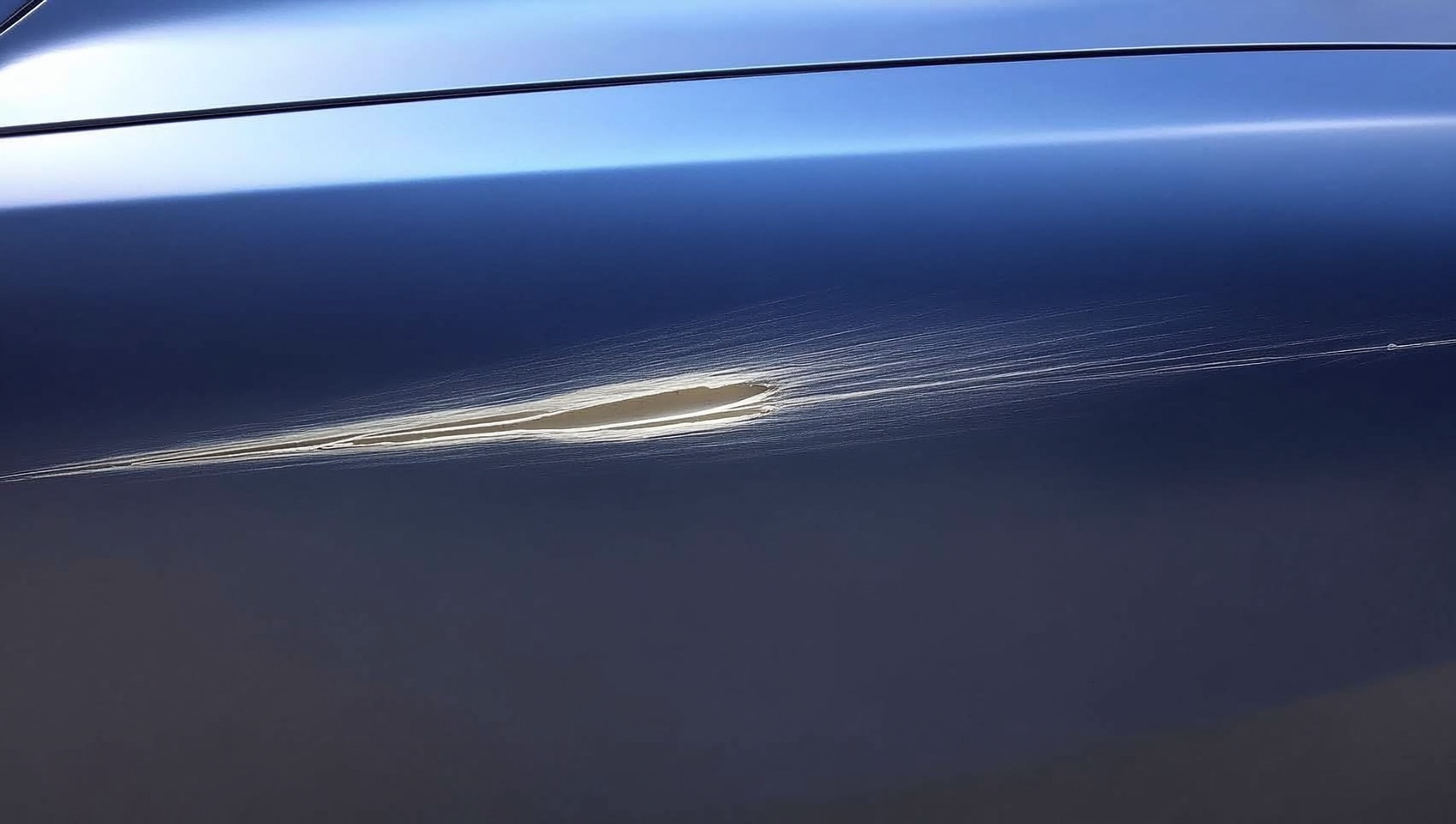
You can fix a car scratch at home when your fingernail glides over it without catching — that is a clear-coat scratch, and washing plus polishing usually removes it. If your nail catches, or you see gray primer or bare metal, home products only hide the damage, and a professional refinish with color matching is the safer repair.
How Do You Tell How Deep a Car Scratch Is?
Run a fingernail gently across the scratch. If it glides over without catching, the damage is confined to the clear coat. If it catches but you still see your car's color, the scratch reached the base coat. Gray or dull streaks mean primer; a silver line means bare metal, which will rust if left exposed.
Your car's finish is a stack of layers over the metal panel: primer, the base coat that carries the color, and a transparent clear coat on top. The whole stack is remarkably thin — detailing specialist The Ultimate Finish measures the three layers combined at roughly 67 to 198 microns on modern cars, which is on the order of one or two sheets of printer paper. Every remedy in this article works by either smoothing that top clear layer or refilling the layers a scratch has cut through.
Wash the area first
Clean the scratch and the surrounding panel with soap and water. Dirt trapped in the scratch makes it look deeper than it is, and rubbing anything over a dirty panel adds new scratches.
Run your fingernail across the scratch
Drag a nail perpendicular to the scratch with light pressure. No catch means clear coat only. A distinct catch means the scratch has cut into or through the paint.
Check the color inside the scratch
Body color visible in the groove points to a base-coat scratch. A flat gray or whitish line is primer. A bright metallic line is bare steel or aluminum.
Match the depth to a remedy
Clear coat: polish at home. Base coat: small spots can take touch-up paint. Primer or metal: seal it quickly and plan on a professional repair.
Which Car Scratches Can You Actually Fix at Home?
Clear-coat scratches and light scuffs are genuinely DIY-friendly: a thorough wash, a scratch-remover polish, and a microfiber cloth handle most of them. Small stone chips can be sealed with color-matched touch-up paint. Anything your fingernail catches on can be improved at home, but rarely made invisible.
For clear-coat scuffs, a basic polish or scratch-remover compound is the right tool. These products work by shaving an extremely thin layer of clear coat so the scratch edges smooth out and stop catching light — which is why they feel almost magical on shallow marks. Insurer Progressive's guidance on scratch removal says the same thing our team tells walk-ins: start with the least invasive method, and for a true clear-coat scratch, washing and polishing is often the whole job. According to J.D. Power, DIY scratch repair kits run from about 15 dollars for a simple compound to over a hundred for multi-step sets, so this is the cheapest category of paint fix there is.
Rubbing compound has a hard limit, though, and it is worth understanding before you lean on it. Compound cannot fill anything — it only removes clear coat. Since that layer is thin to begin with, every aggressive compounding session spends a budget you cannot refill without respraying. If a scratch is still visible after two careful passes, more rubbing will not fix it; it will just thin the protection around it.
Touch-up paint is the honest middle ground for base-coat scratches and small chips. Applied patiently with a fine brush or pen, it seals the damage against moisture and makes it far less noticeable from a few feet away. What it will not do is disappear. Touch-up paint sits in the groove rather than blending across it, and factory colors shift slightly as a car ages in the sun, so expect a close match rather than a perfect one — especially on metallics and pearls.
What Works at Each Scratch Depth?
Clear-coat scuffs respond to washing and careful polishing at home. Small chips can be stabilized with touch-up paint. Once a scratch reaches the color coat, primer, or bare metal, DIY products cannot rebuild the layers — professional sanding, refinishing, and color matching become the reliable path, and acting quickly prevents rust.
Here is the whole decision in one table, including what independent industry sources report shops typically charge at each depth. If you want the full picture on how body shops price paint work, our auto body repair cost guide goes deeper.
| Scratch depth | Fingernail test | What works at home | Industry shop range |
|---|---|---|---|
| Clear coat only | Glides, no catch | Wash, polish, scratch-remover compound | $100–$300 |
| Base coat (color layer) | Catches; body color visible | Touch-up paint on small spots; close match, not invisible | $200–$500 |
| Primer or bare metal | Catches; gray or metal visible | Touch-up as a temporary seal only | $500–$1,500 |
When Does DIY Scratch Repair Make Things Worse?
DIY goes wrong when the fix is more aggressive than the scratch: compounding through thin clear coat, sanding around a deep scratch, or flooding a chip with mismatched paint. It also goes wrong by omission — covering exposed metal cosmetically without sealing it lets rust spread underneath the repair.
- Over-compounding: repeated aggressive polishing on one spot can burn through the clear coat entirely, turning a shallow scratch into a dull patch that needs a respray.
- Sanding without a plan: kits that include sandpaper assume you will rebuild the layers afterward. Sanding a scratch and stopping there leaves a bigger, duller wound than the original.
- Color mismatch on large areas: touch-up paint on a dime-sized chip reads as a blemish; touch-up paint dragged along a two-foot scratch reads as a stripe in the wrong shade.
- Painting over rust: dabbing color onto metal that has already started corroding seals moisture in, and the bubbling returns through the new paint.
- Fixing one panel in isolation: on faded or metallic finishes, a locally perfect repair can make the surrounding aged paint look worse, which is why professionals blend into adjacent areas.
Should You Worry About Small Paint Chips?
Yes — small chips deserve more urgency than long shallow scratches. A stone chip is a deep, concentrated hit that often punches through to primer or metal in a spot the size of a pencil tip. Sealed early with touch-up paint, it stays a cosmetic footnote; ignored through a salty winter, it becomes a rust blister.
Chips cluster on the hood, front bumper, and lower rocker panels — the surfaces that catch debris thrown up by traffic. The repair logic is the same depth test as scratches, compressed into a dot: if the chip still shows body color, a careful dab of touch-up paint is plenty. If you can see gray or bright metal at the bottom of the crater, the chip needs primer before color, and it needs attention soon rather than eventually.
A practical habit: walk around the car once a season, in good light, and seal every fresh chip you find. Ten minutes with a touch-up pen in October prevents the kind of creeping hood rust that costs real money to cut out and refinish later. Chips before rust — that order matters.
When Should You Take a Scratch to a Body Shop?
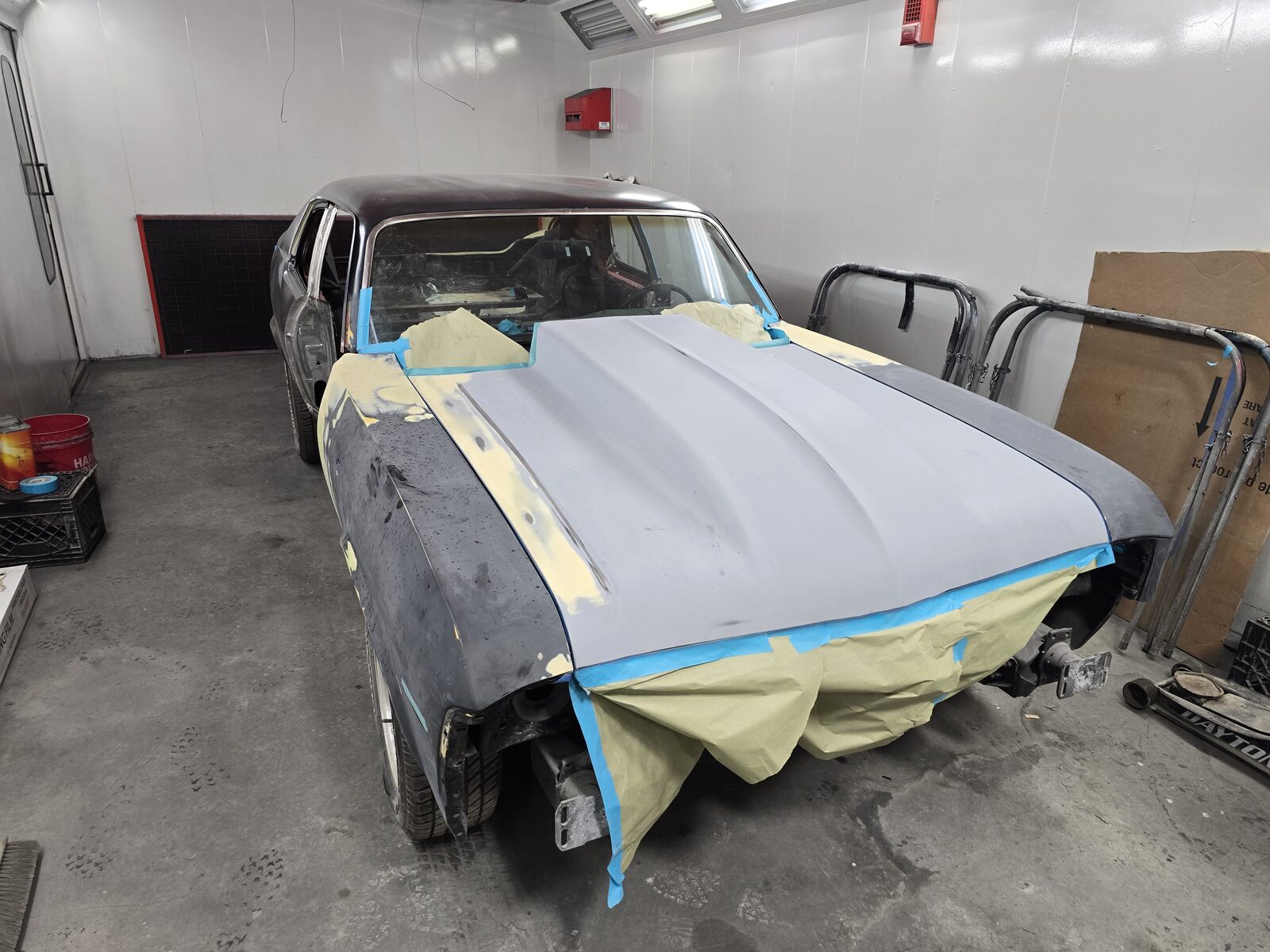
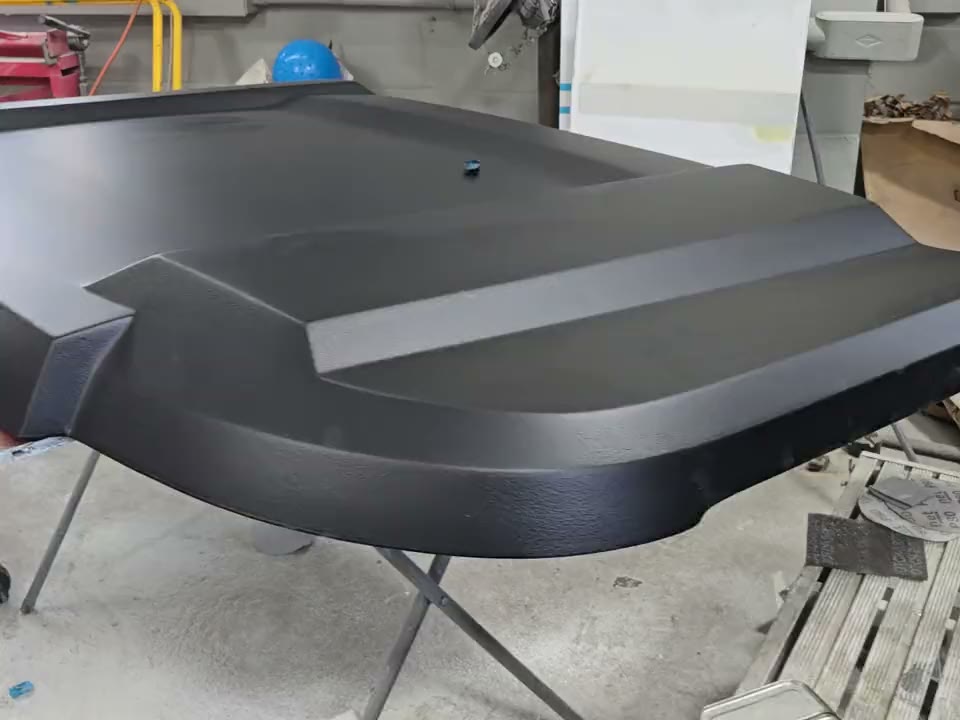
Go to a shop when the scratch reaches primer or metal, spans a large area or multiple panels, sits on a metallic or pearl finish, or has already started to rust. These repairs require sanding, refilling each paint layer, and blending color into surrounding panels — work that depends on spray equipment and trained color matching.
A proper deep-scratch repair is a rebuild of the paint stack, not a cover-up. The panel is cleaned and sanded, bare metal is primed, base coat is mixed to the vehicle's paint code and adjusted by eye for age and fade, and fresh clear coat is sprayed and blended past the repair so no edge shows. Progressive's own scratch guide notes that primer-deep repairs mean applying each coating over several days and are best left to a professional. Color is the hard part: modern metallics and tri-coat pearls shift with viewing angle, which is why refinishing and color matching is a dedicated craft rather than a bigger bottle of touch-up paint.
If you are not sure which side of the line your scratch falls on, you do not have to guess. Our team provides written estimates and appraisals, and honest triage is part of that: a scratch that will polish out gets told exactly that.
Upload a photo of the scratch through our estimate form and our team will tell you whether it even needs a shop.
Request an EstimateOne money note before you decide: if the scratch came from an accident or vandalism, insurance may be a factor. Collision and comprehensive deductibles typically run from $100 to $2,000 depending on the insurer, per Progressive, so for smaller scratch repairs paying out of pocket often makes more sense than filing a claim. A written estimate gives you the real number to compare against your deductible before you involve your insurer.
For drivers around Huntington, Huntington Station, Melville, and Dix Hills, that estimate is a short drive away — and between Long Island winters, parkway gravel, and tight parking lots, the earlier a deep scratch gets sealed and refinished, the smaller the repair stays. Start with the fingernail test; we can take it from there whenever the answer is deeper than the clear coat.
Frequently asked questions
- Does toothpaste really remove car scratches?
- Only sometimes, and only on the lightest clear-coat scuffs. Toothpaste is a mild abrasive, so it works on the same principle as polishing compound — just less predictably, with no lubricants designed for paint. A purpose-made scratch remover costs little more and carries far less risk of dulling the surrounding finish, so there is little reason to improvise.
- Are scratch-repair pens and kits worth buying?
- For the right scratch, yes. According to J.D. Power, kits range from about 15 dollars to over a hundred, and most are built to fix shallow-to-moderate clear-coat damage. Check what is actually in the box — some kits are just a compound, others include touch-up paint and clear coat. None of them make a primer-deep scratch invisible.
- Can buffing or polishing fix any scratch if you do it long enough?
- No. Polishing removes clear coat to level the surface; it cannot fill a groove that goes deeper than the clear coat. Once a scratch reaches the color layer, more buffing only thins the protection around it. If two careful passes have not removed the mark, stop — the fix at that point is refilling layers, not removing more.
- How long can a scratch that shows bare metal wait before rusting?
- There is no safe fixed window — corrosion starts once moisture reaches bare steel, and road salt and humidity speed it up considerably. Practically, treat exposed metal as a this-month problem, not a someday problem. At minimum, seal it with touch-up paint right away, then have it properly primed and refinished before rust gets a foothold under the surrounding paint.
- Will insurance pay for scratch repair?
- It depends on cause and coverage. Collision coverage applies to scratches from crashes; comprehensive covers events like vandalism. Both carry a deductible — typically $100 to $2,000, per Progressive — so a repair that costs less than your deductible is usually an out-of-pocket job. Getting a written estimate first tells you which side of that line you are on.
Ready to get your vehicle looked at?
Call us or send an estimate request and we'll follow up with next steps.